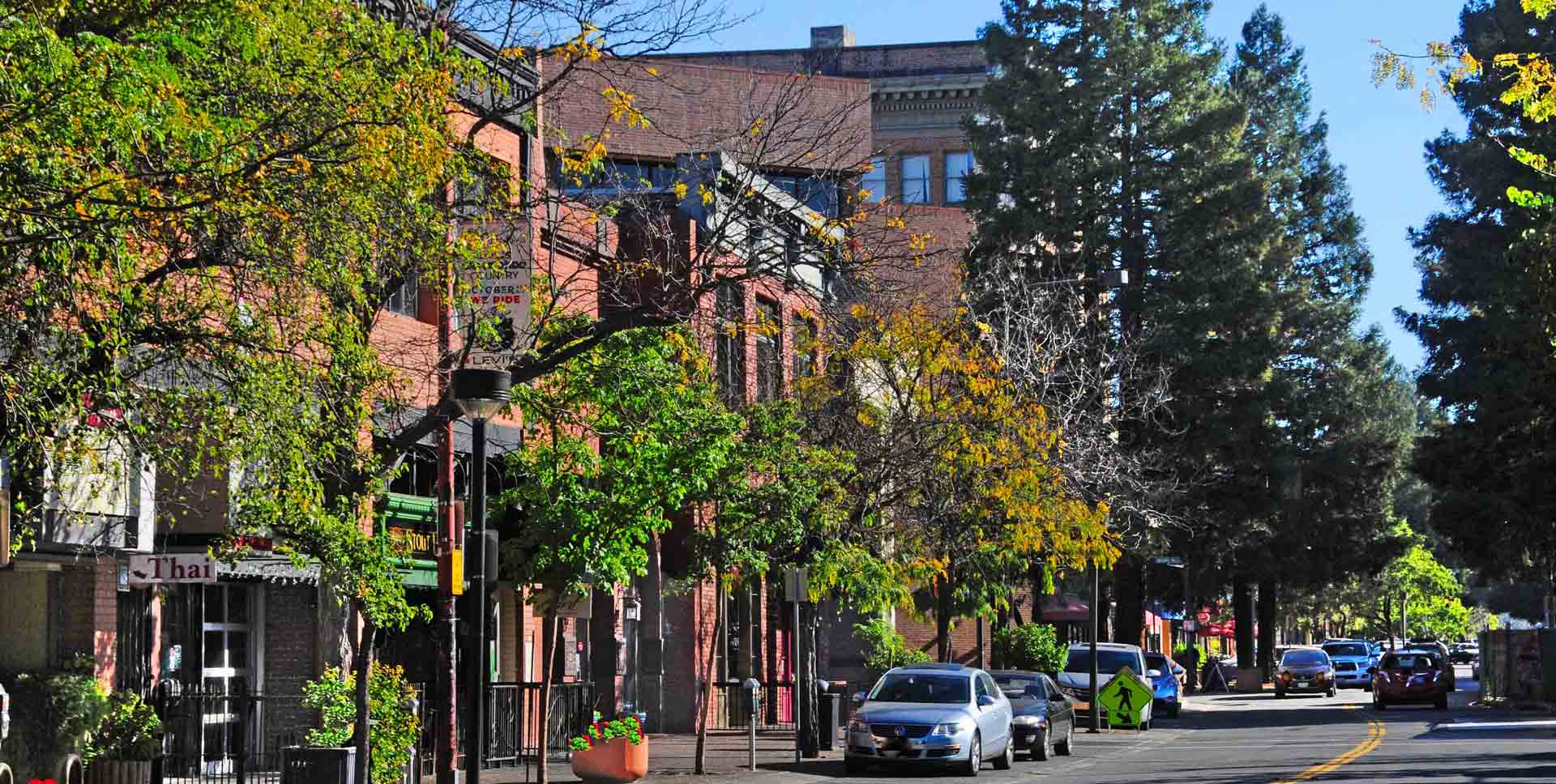
Using Predictive Modeling to Improvethe Parking Fund in Santa Rosa, CA
The City of Santa Rosa faced rising operating costs, inconsistent parking rules, underutilized garages, and long-standing safety concerns. Community feedback highlighted issues with unclear signage, difficulty finding parking during peak periods, limited affordable long-term options for workers, and frustration among both visitors and local businesses. Turnstone's predictive modeling capabilities enabled the City to identify where demand pressures, particularly persistent 95%+ occupancy in Premium Curb Areas, were leading to congestion, inequitable access, and revenue leakage. These insights informed the pricing, permitting, and validation changes presented and approved by City Council in Fall 2025.
Santa Rosa's parking program faced a blend of operational, financial, and customer-experience issues. Limited affordable long-term parking prompted employees and businesses to compete for on-street spaces, while garages remained underutilized due to safety concerns, including vandalism, inadequate lighting, and loitering. Visitors and seniors frequently encountered unclear signage and inconsistent pricing rules across curb areas, making the system difficult to navigate, ultimately eroding user confidence.
Demand pressures intensified these challenges. Premium Curb Areas consistently operated at an occupancy rate of 95% or higher during peak hours, resulting in congestion and circling in the Downtown. The City had previously introduced a First-Hour-Free policy, but it unintentionally shifted demand away from garages, reduced revenue, and reinforced safety concerns. Meanwhile, low participation in the validation program limited the City's ability to influence behavior. These conditions created a costly, confusing, and financially unstable parking system that failed to meet the City's operational and fiscal goals.
Turnstone collaborated with the City to deploy its Parking Insights Platform, which provided a unified, data-driven view of on- and off-street parking demand across the City. By consolidating meter and mobile payments, permits, and parking inventory into a single system, the platform provided the City with a comprehensive view of actual parking demand, including overpayment, underpayment, accessibility, and double parking. This helped identify areas where 95%+ occupancy was causing congestion, garages were underused, and outdated incentives were limiting revenue.
Using these insights, staff were able to evaluate pricing scenarios, modernize rate and permit structures, and align policy changes with the City's operational and financial goals.
The City added $739K to the Parking Fund while lowering the average cost per space by implementing targeted rate adjustments in Curb Areas with sustained occupancy rates of 95% or higher. As a result, turnover was reduced by 12%, allowing the City to serve approximately 600 more vehicles per day through the $1/hr increase in Premium Curb Areas based on modeled occupancy patterns. Garage utilization and safety also rose after replacing their First-Hour-Free policy with updated pricing and a modernized validation program. Additionally, revised violation fees enhanced compliance, covered citation processing costs, and generated $350K in new General Fund revenue.
“Turnstone centralizes our parking data, empowering seamless, efficient operations that the team can rely on.”

Turnstone collaborated closely with the City of Santa Rosa to identify actionable insights, update pricing and incentives, and develop a more resilient parking system. Using predictive modeling as a foundation, the City gained the clarity needed to rebalance on- and off-street parking demand, enhance the customer experience, and improve long-term financial stability. The partnership demonstrates how thoughtful, data-driven policy adjustments can make parking more accessible, equitable, and financially sustainable.