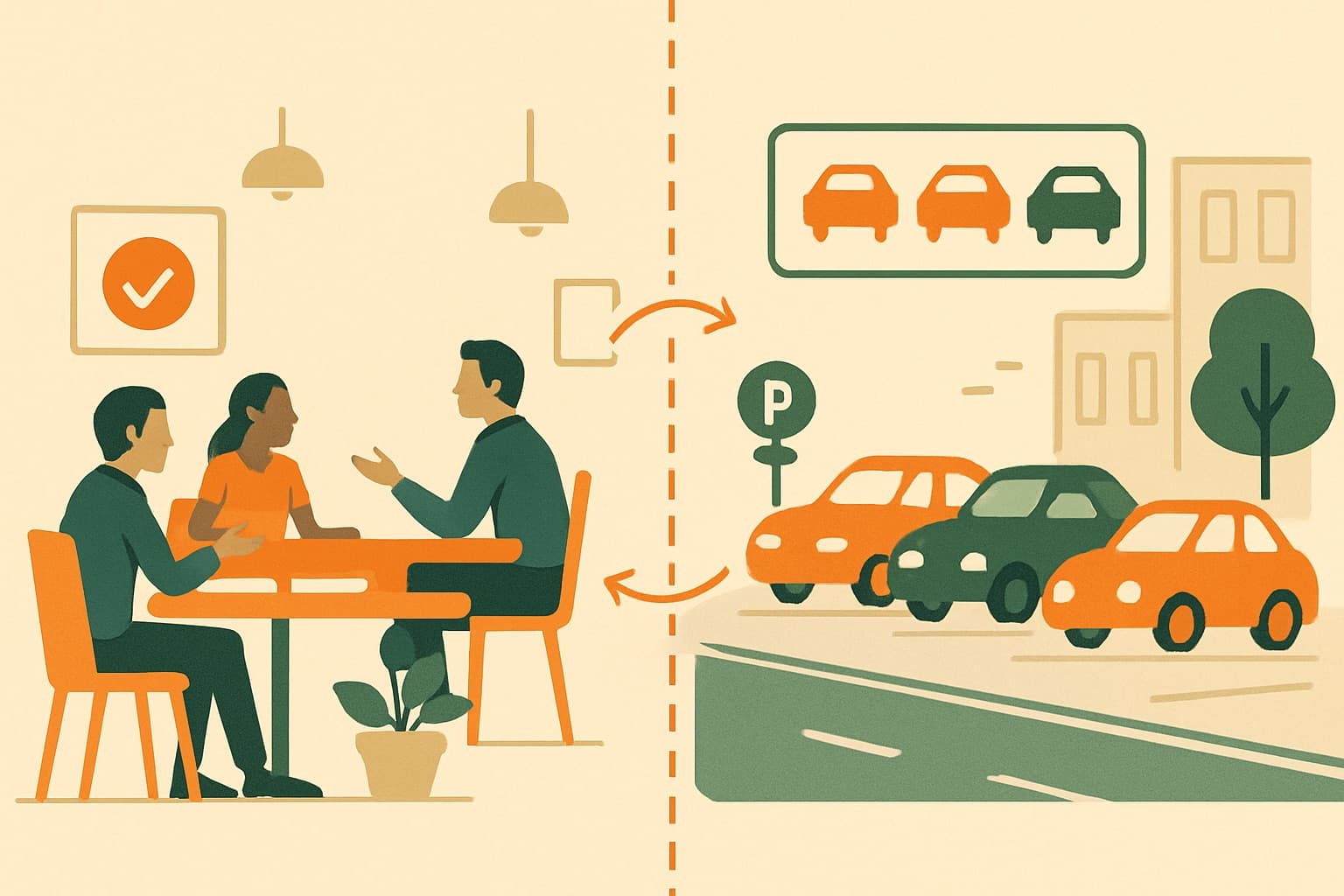
I recently participated in a webinar with Ben Pisch from SenSen, where we explored some of the hidden patterns we've seen in our work with cities across North America. At one point, I offered up an analogy I wanted to elaborate on: how restaurant demand is a lot like parking.
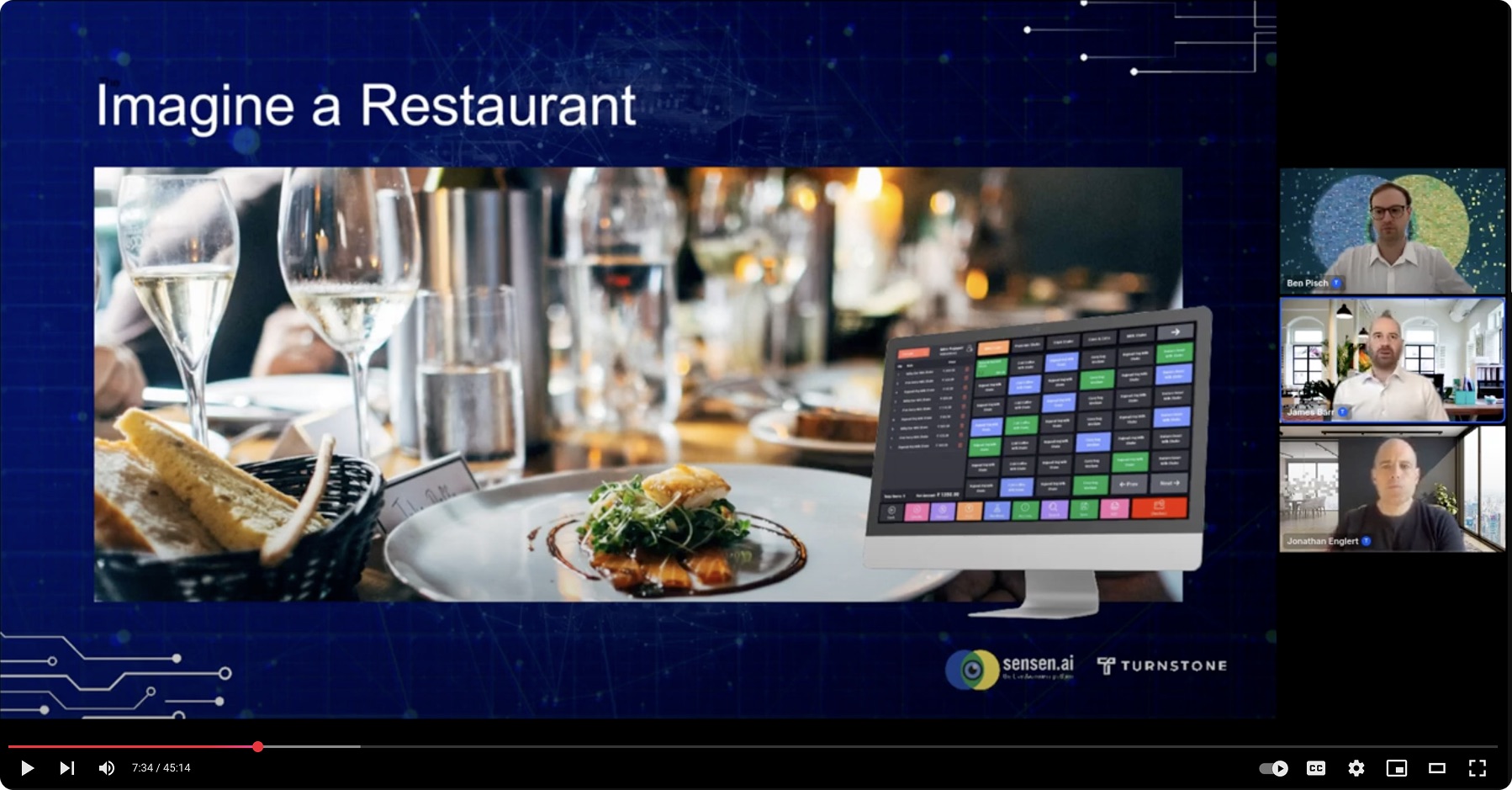
When we think about parking, we often ask: how do you know when there's enough parking to accommodate everyone in a bustling city? How do you identify when parking is in high demand, and plan for the inevitable peaks and valleys? Surprisingly, one of the clearest ways to understand this problem is by comparing it to a restaurant trying to keep track of its diners.
In a restaurant, a Point-of-Sale (POS) system helps the owner and staff see, in real time, the exact number of orders coming through, how many diners are seated, which dishes are selling, and how quickly each table is turning over. This immediate insight into demand allows managers to forecast busy times, allocate staff, and adjust their menu or pricing. The POS system provides the foundation for decision-making based on accurate, actionable data.
Now, let's map that to parking. In most cities, parking is a key part of the local infrastructure. People drive in from all over: commuters heading to work, tourists visiting local attractions, or shoppers running errands. If you're responsible for managing parking, you need to know when your spaces are at capacity, where demand is highest, and why certain areas fluctuate more than others.
Real-time insights
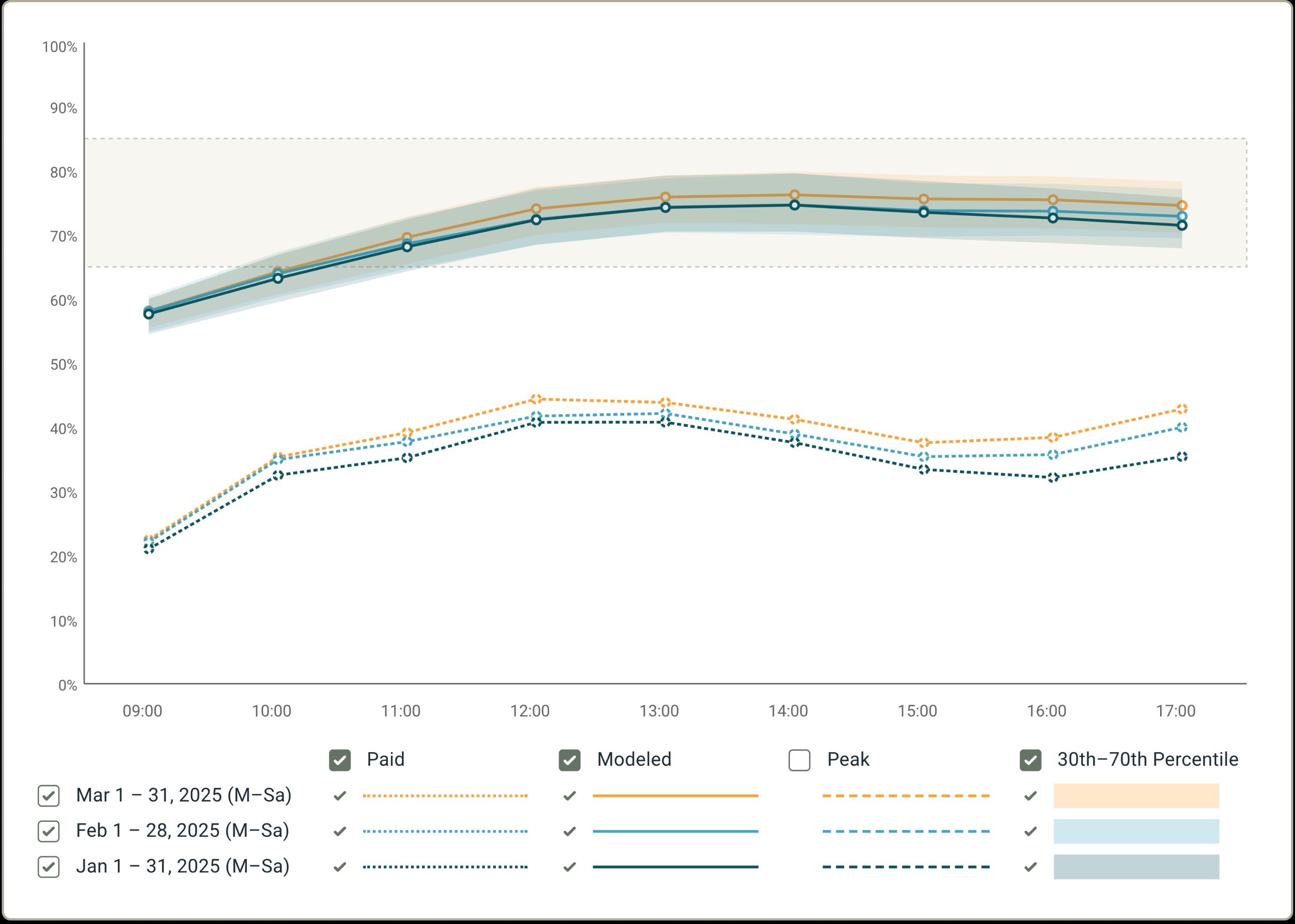
Just as a restaurant's POS system shows the owner how many dishes are sold during the lunch rush, real-time parking data can show city planners how many spaces are occupied during the morning commute. Without an equivalent "POS system" for parking, most cities can only guess how full on- and off-street parking is. Comprehensive and easily accessible occupancy data can change that, helping you understand where, when, and how quickly drivers occupy spaces.
Demand fluctuations
A restaurant might see spikes at lunchtime and dinner, while weekends draw a different crowd. The restaurant's POS system tracks this data, allowing them to plan for staff schedules and inventory. Parking demand exhibits similar patterns: peaking on workdays, showing seasonal variations during holidays, and experiencing surges during special events. If you can track these swings consistently, you can make more informed decisions on staffing, pricing, and future expansion.
Operational efficiency
With a restaurant, if the POS system shows too many empty tables and employees standing by, it might be a sign of overstaffing or poor marketing. Similarly, when parking data reveals long periods of half-empty garages, you can optimize resources: better signage, dynamic pricing, or an updated communications strategy to guide people to underutilized lots. Alternatively, if demand consistently exceeds supply, you'll know it's time to explore expansions or alternative solutions.
Customer experience
Diners expect a smooth experience: a welcoming environment, no long waits, and a clear sense of when their meal will arrive. Drivers seek a similarly convenient experience. When people can't find parking or spend too long circling city blocks, frustrations rise and downtown businesses may suffer. Occupancy data provides the insight necessary to respond to demand, reducing driver frustration through highlighted available spaces, incentives in less-used lots, or rate adjustments to balance supply and demand.
Informed strategy and growth
Restaurants often refine menus or expand locations based on insights from their POS system. Cities can do the same with parking. Once you have acceptably accurate data, you can make informed decisions about expanding your on-street program, building new garages, implementing shared parking strategies, or adjusting policies, all with a clear understanding of current and future demand.
A reliable method for measuring usage and demand underpins a successful operational strategy. Without it, you're left guessing about how many customers (or drivers) you're serving at a time.
So, the next time you grab dinner at your favorite spot and watch the server punch your order into a POS system, think about how that principle applies to a city's parking landscape. With a "parking POS," planners can move beyond estimates to comprehensive analytics, leading to smoother operations, better customer experiences, and a more vibrant community.
Want to see what that looks like for your program? Book a Demo.